See what stronger revenueinfrastructure looks like in practice

Expert insights, success stories, and useful resources built for specialist care providers.
Insight

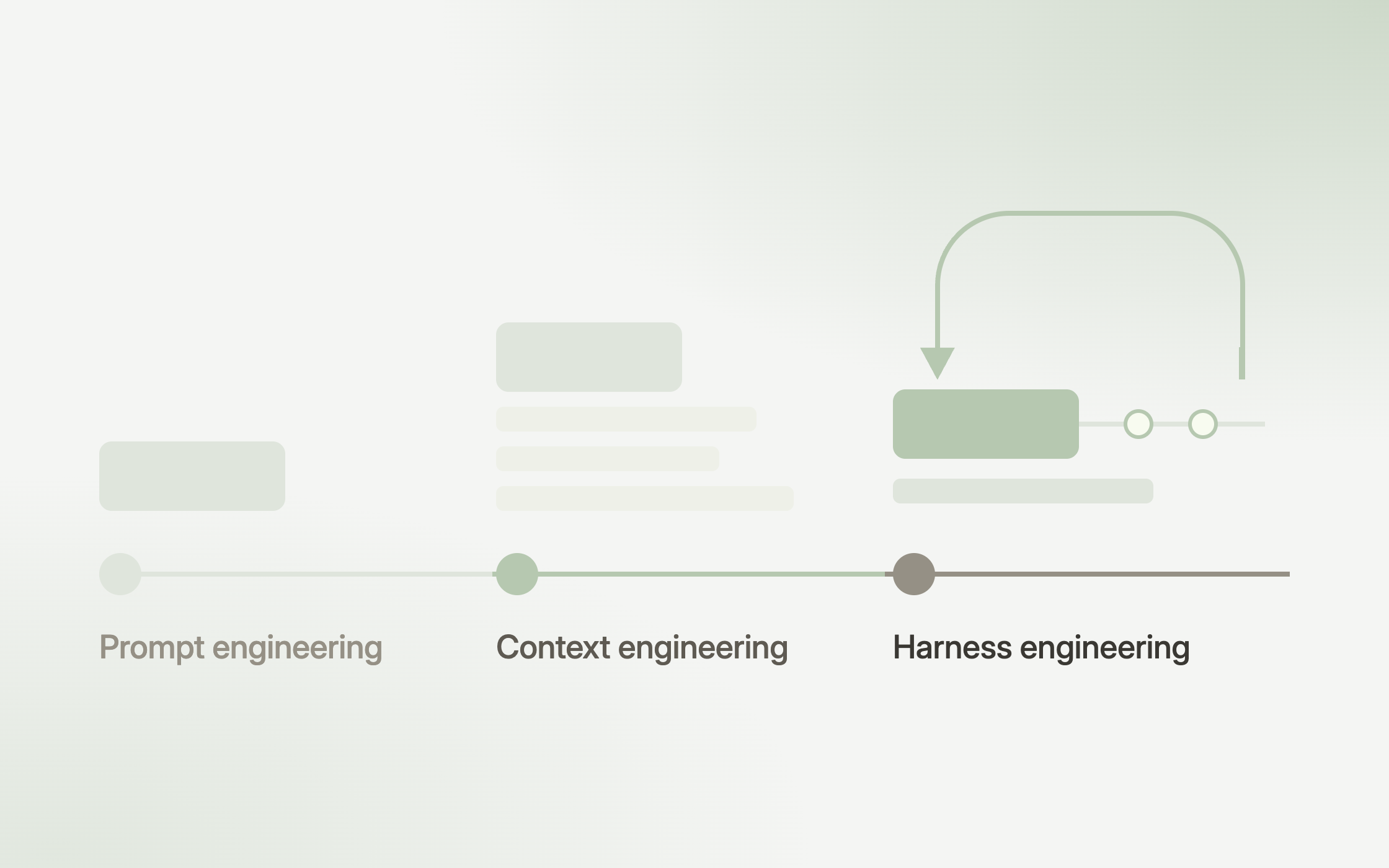
The AI Arms Race in RCM Is Optimizing the Wrong Thing

Read more
Notes from the Field
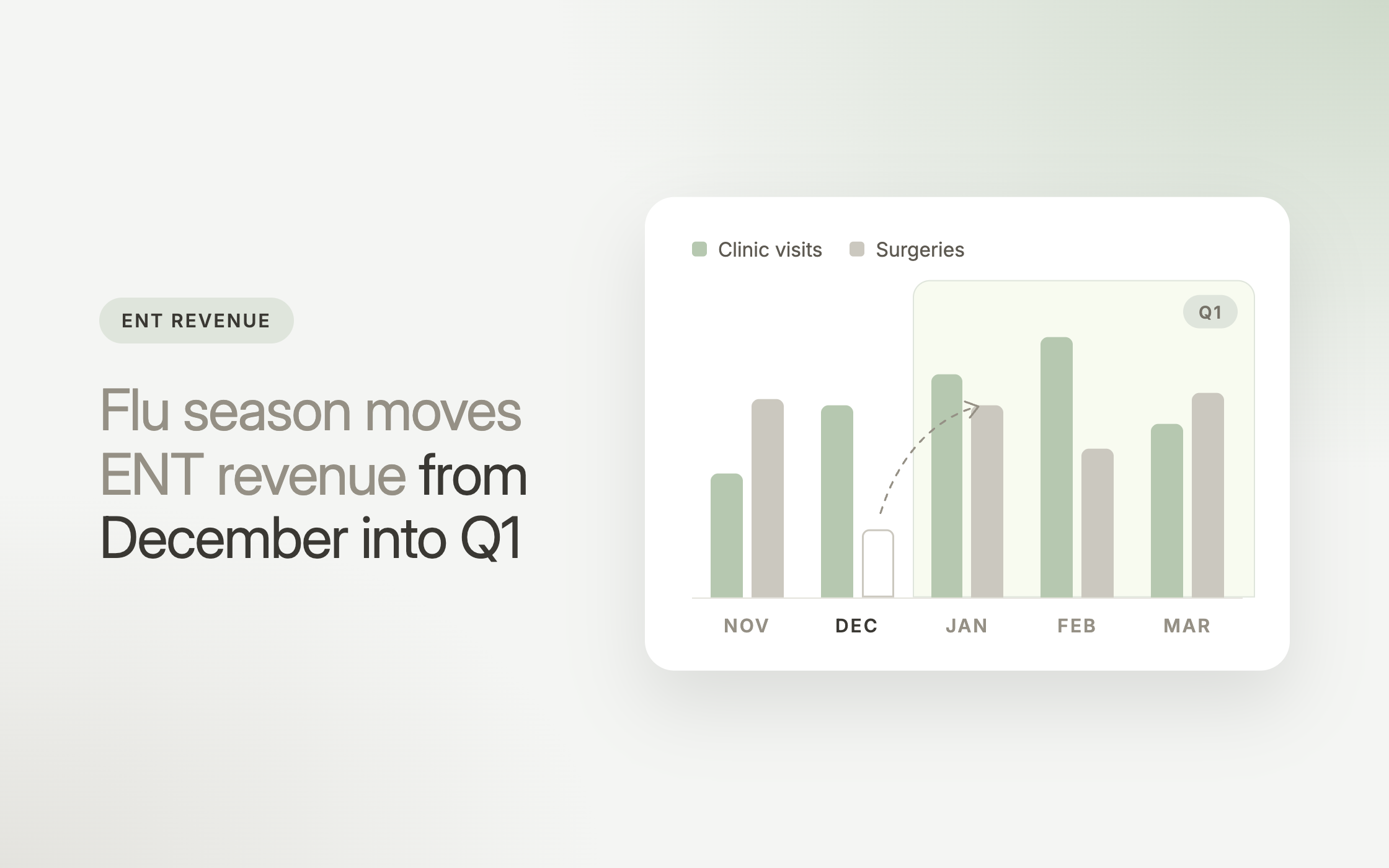
Flu season moves ENT revenue from December into Q1, with clinic visits and surgeries compared from November to March
Insights

A Stronger Revenue Cycle for ENT’s Busiest Season

↗
How ENT finance leaders can prepare for shifting schedules, delayed surgeries, and year-end coverage changes before winter peaks.

Reading the revenue cycle in finance terms
Guides

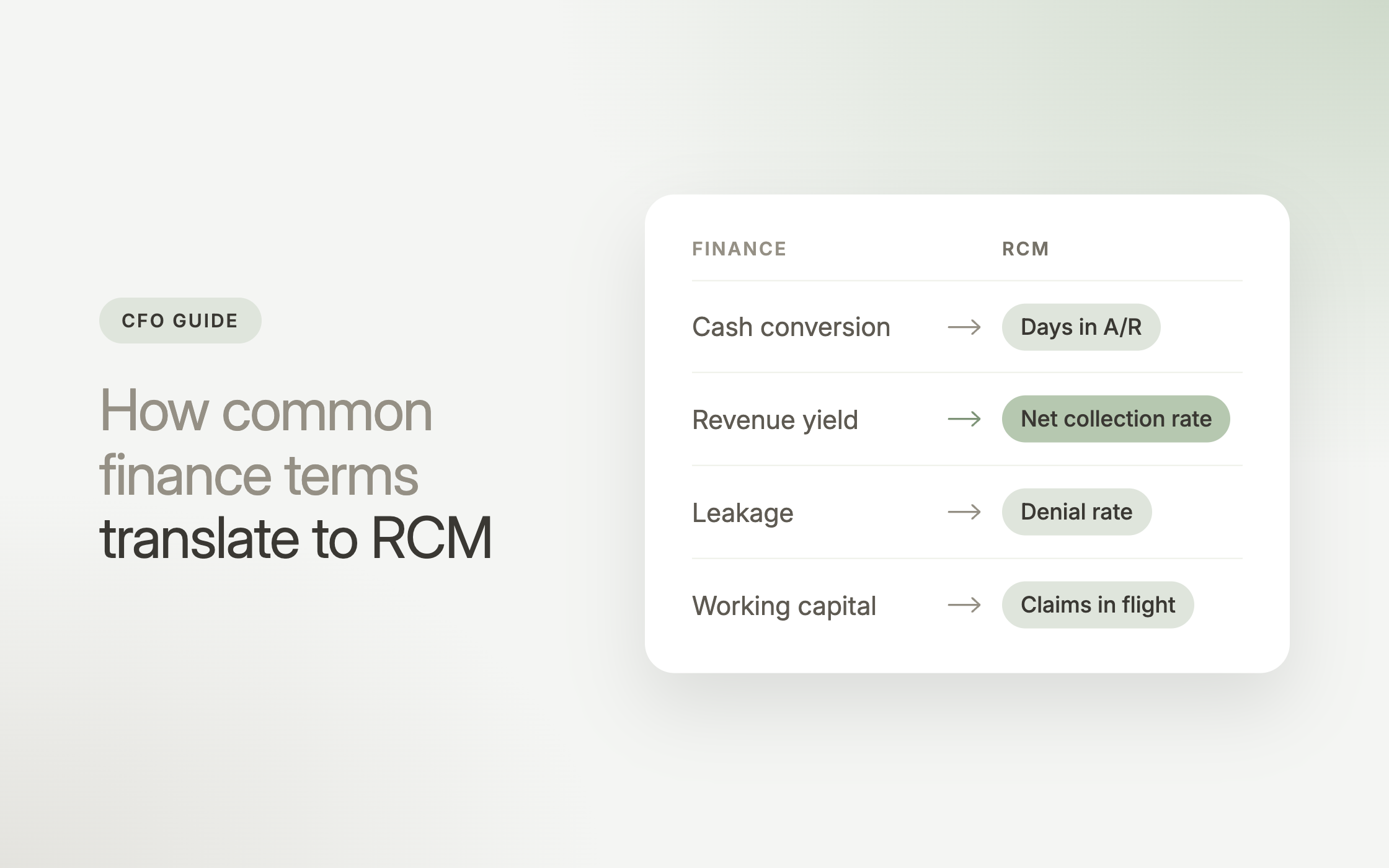
Reading the revenue cycle in finance terms

↗
Connect core finance concepts to specialty care revenue cycle management, from net collection rate and cash forecasting to growth decisions and board reporting.

A single national rate can rank above median in one state and bottom quartile in another
Insights

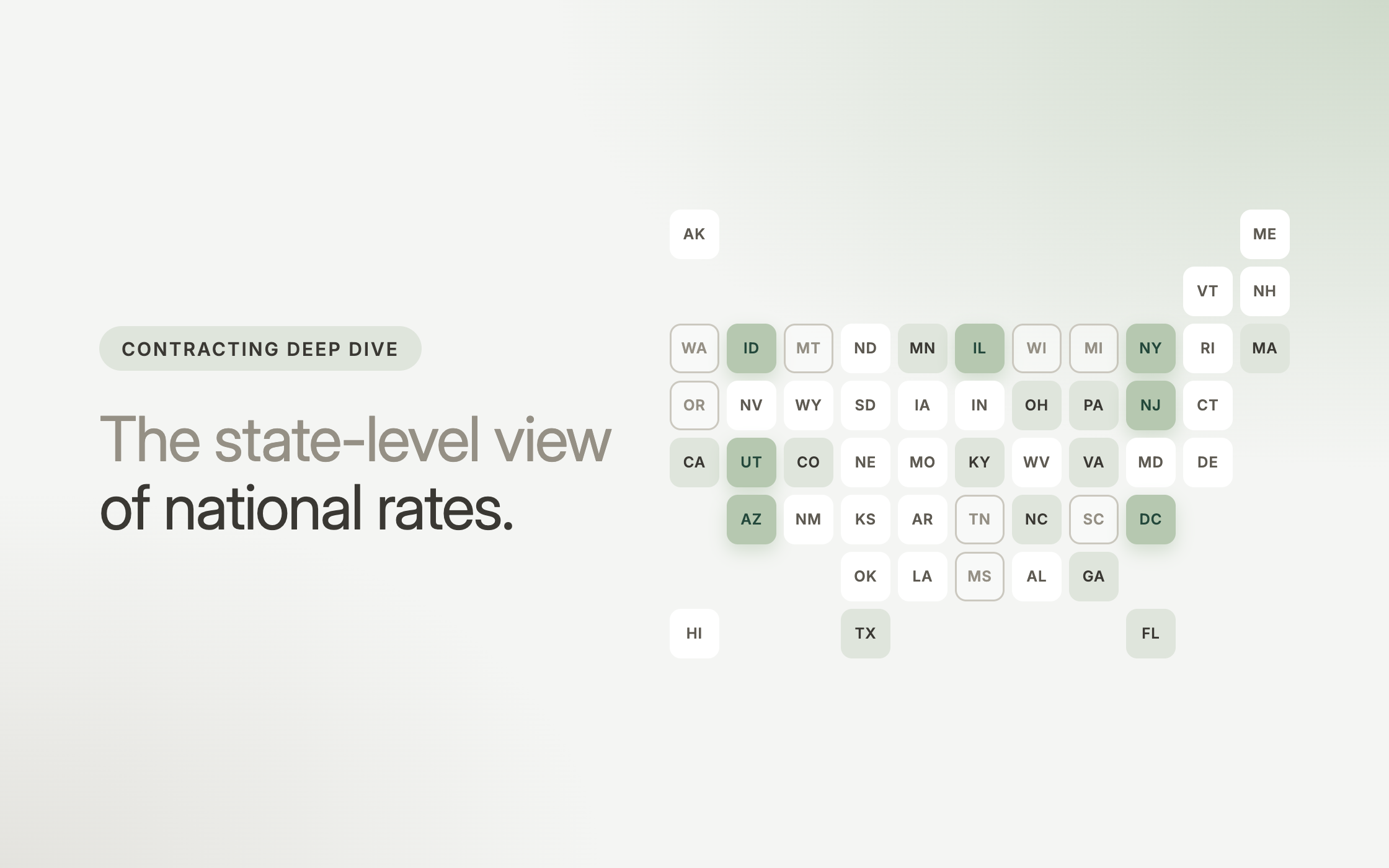
A single national rate can rank above median in one state and bottom quartile in another

↗

Camber analyzed posted commercial rates for 7,380 SUD organizations. A single national rate can rank above median in one state and in the bottom quartile in another.

Invest for Progress 2026: Where SUD Treatment, Payers and Employers Are Headed
Insights

Invest for Progress 2026: Where SUD Treatment, Payers and Employers Are Headed

↗
Payers want proof of performance, employers want care moved in-network, and outcome measures are working their way into contracts.

Medicaid Exposure Assessment for Substance Use Disorder Groups
Tools

Medicaid Exposure Assessment for Substance Use Disorder Groups

↗
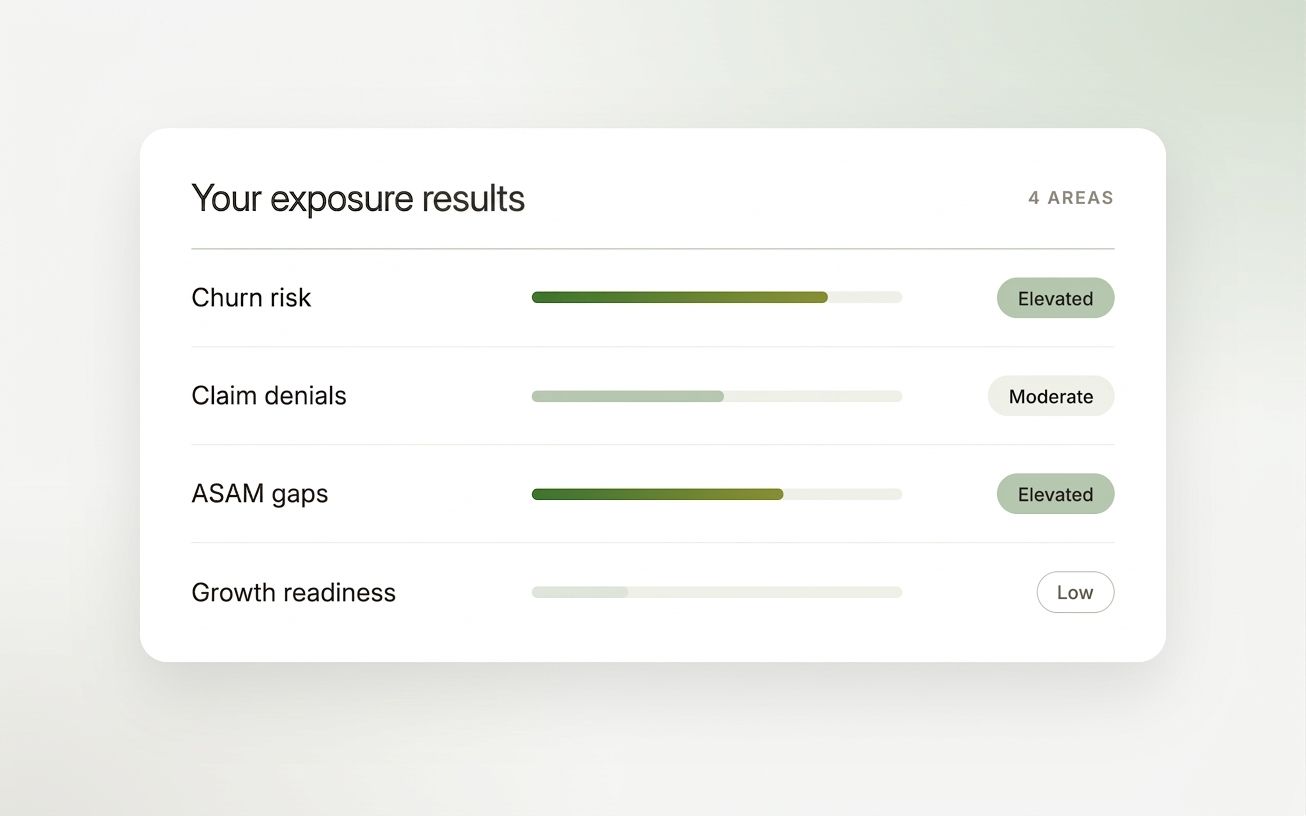
Assess your organization's exposure to Medicaid eligibility churn, claim denials, ASAM documentation gaps, and growth-related reimbursement risk.

New York's Third ABA Rate Cut: What's Left After Payroll at $9.63 a Unit
Insights

New York's Third ABA Rate Cut: What's Left After Payroll at $9.63 a Unit

↗

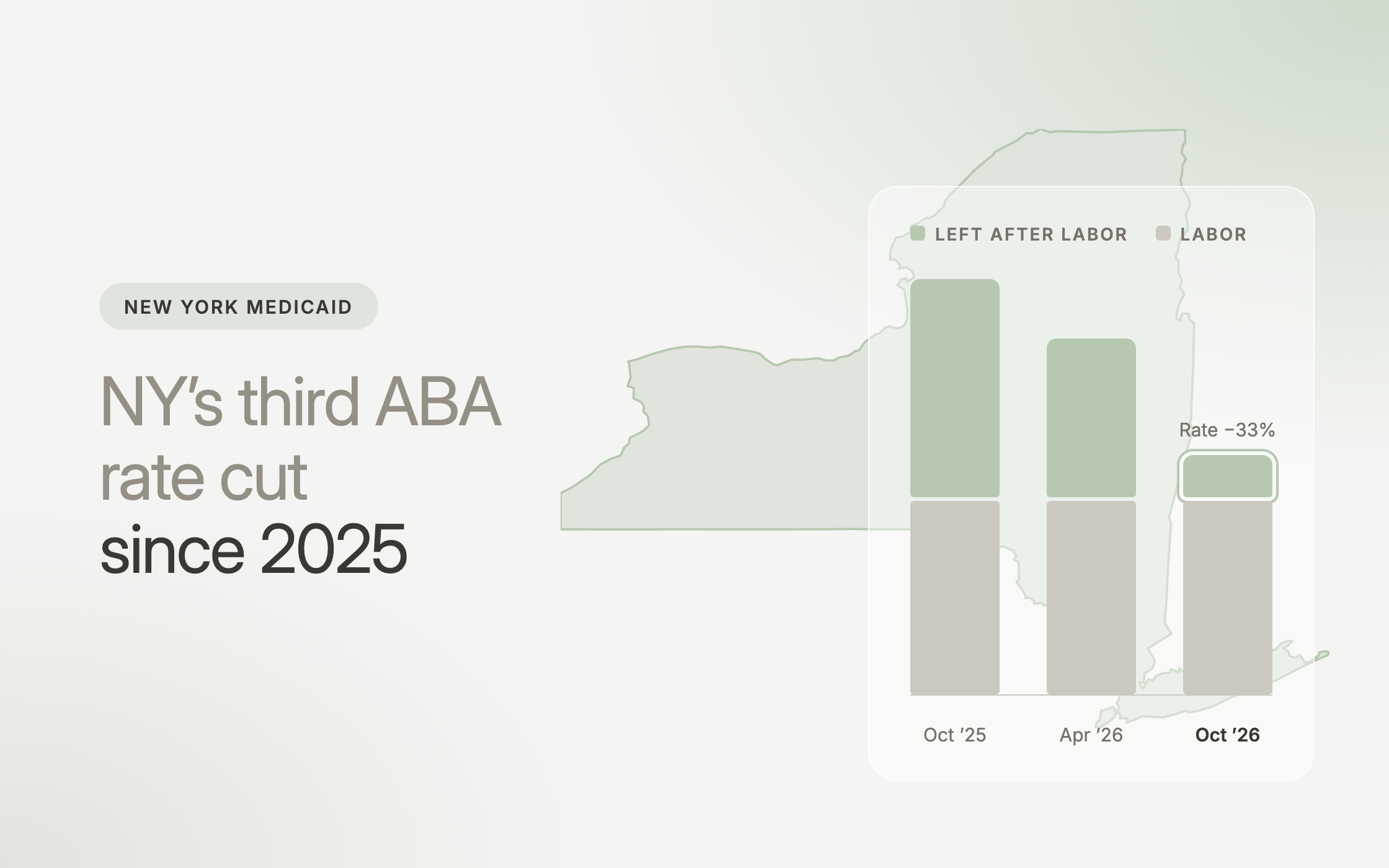
New York Medicaid's 97153 rate falls to $9.63 per unit on October 1. See what remains after technician labor and how claim rework narrows the margin further.

The 2027 ABA CPT Code Changes: Six New Codes and What They Mean for Your Billing
Insights

The 2027 ABA CPT Code Changes: Six New Codes and What They Mean for Your Billing

↗
The AMA has approved six new CPT codes for ABA services effective January 1, 2027. Here is what the new code structure means for your billing, reimbursement, and operations.

The Practice That Lasts: Benchmarks for Sustainable ABA Operations
Webinars

The Practice That Lasts: Benchmarks for Sustainable ABA Operations

↗
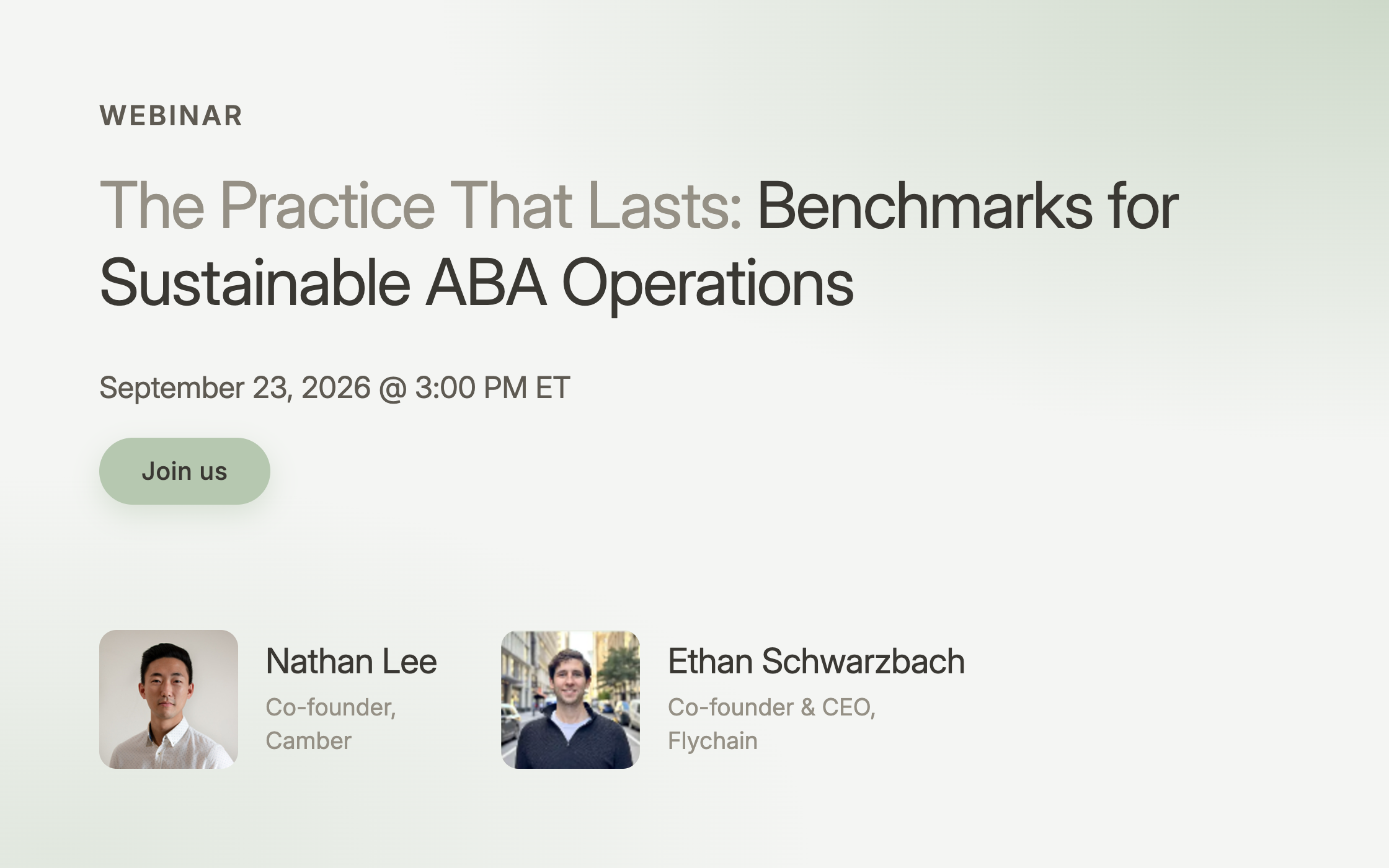
Nathan Lee of Camber and Ethan Schwarzbach of Flychain unpack the 2026 financial benchmarks ABA practice owners can use to assess profitability, protect cash flow, manage payer risk, and control labor costs.

Work Requirement Exemption Screener for SUD Programs
Tools

Work Requirement Exemption Screener for SUD Programs

↗

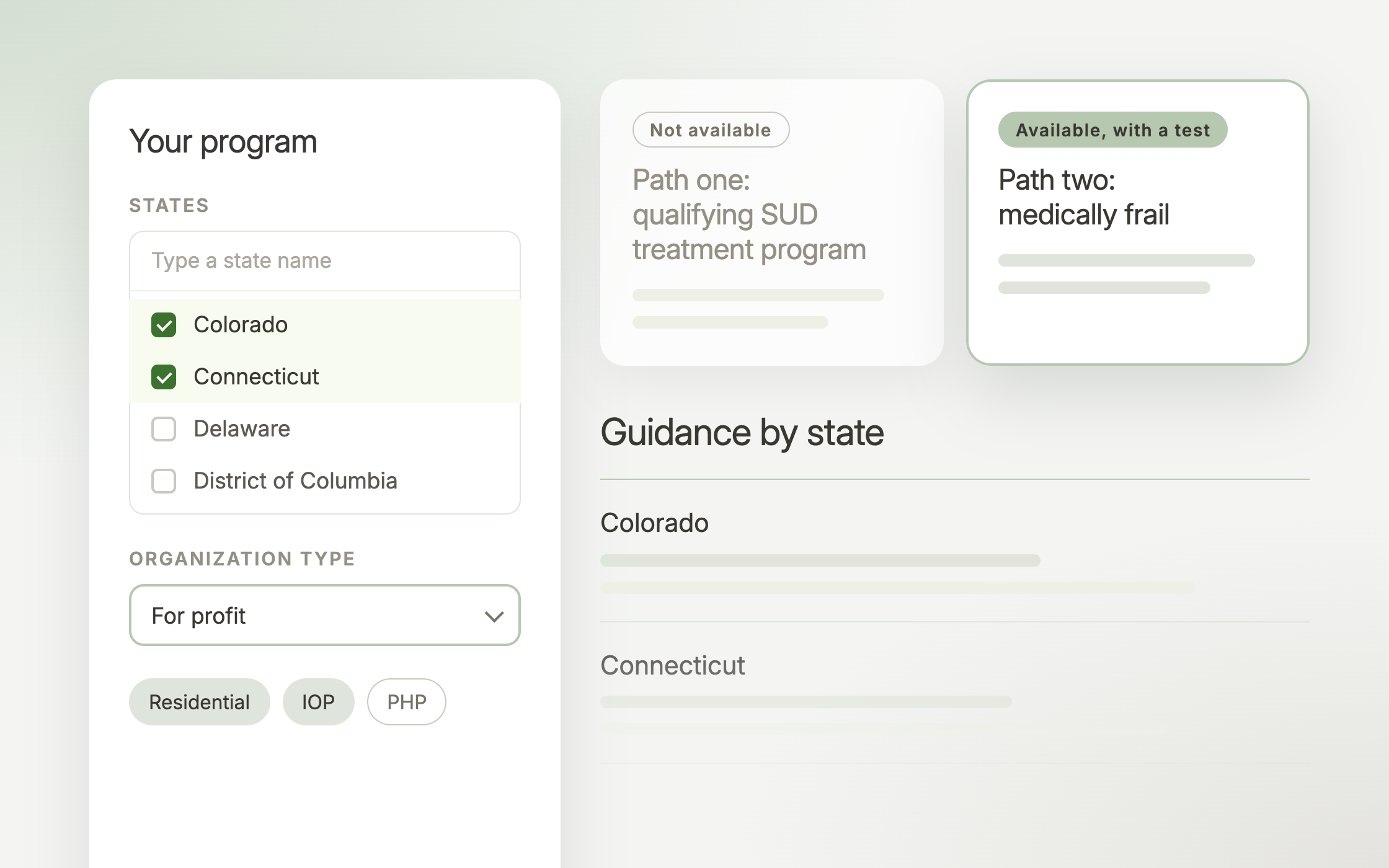
Screen your SUD program's likely Medicaid work requirement exemption paths and identify documentation and consent readiness gaps.

The Practice That Lasts: Benchmarks for Sustainable ABA Operations
Insights

The Practice That Lasts: Benchmarks for Sustainable ABA Operations

↗

Following a dollar through an ABA practice, from claim submission to month-end cash, with claims data from Camber and financial benchmarks from Flychain.

The Practice That Lasts: What the Claims Data Tells Us
Insights

The Practice That Lasts: What the Claims Data Tells Us

↗

A fuller picture of what ABA practices earn, collect, and spend to get paid, combining Camber's claims data with Flychain's financial benchmarks.

Camber and Async Lambda Join Forces to Power the Future of Specialty Care Revenue
Insights

Camber and Async Lambda Join Forces to Power the Future of Specialty Care Revenue

↗

Async Lambda brings deep ABA workflow expertise to Camber, helping automate the operational work behind getting providers paid.

Insight

ABA Rate Cuts State Tracker: Where Cuts Are Happening and How Providers Are Responding

Seven states have implemented or proposed ABA rate reductions totaling $486 million in annualized revenue loss. Here is what is happening, what it means for your practice, and what you can do about it.

Read more